Ultra-thin fiber-foil composites as a temporary electromagnetic shield.
A completely new mode of action: Modification of the electromagnetic propagation channel
drone defense systems
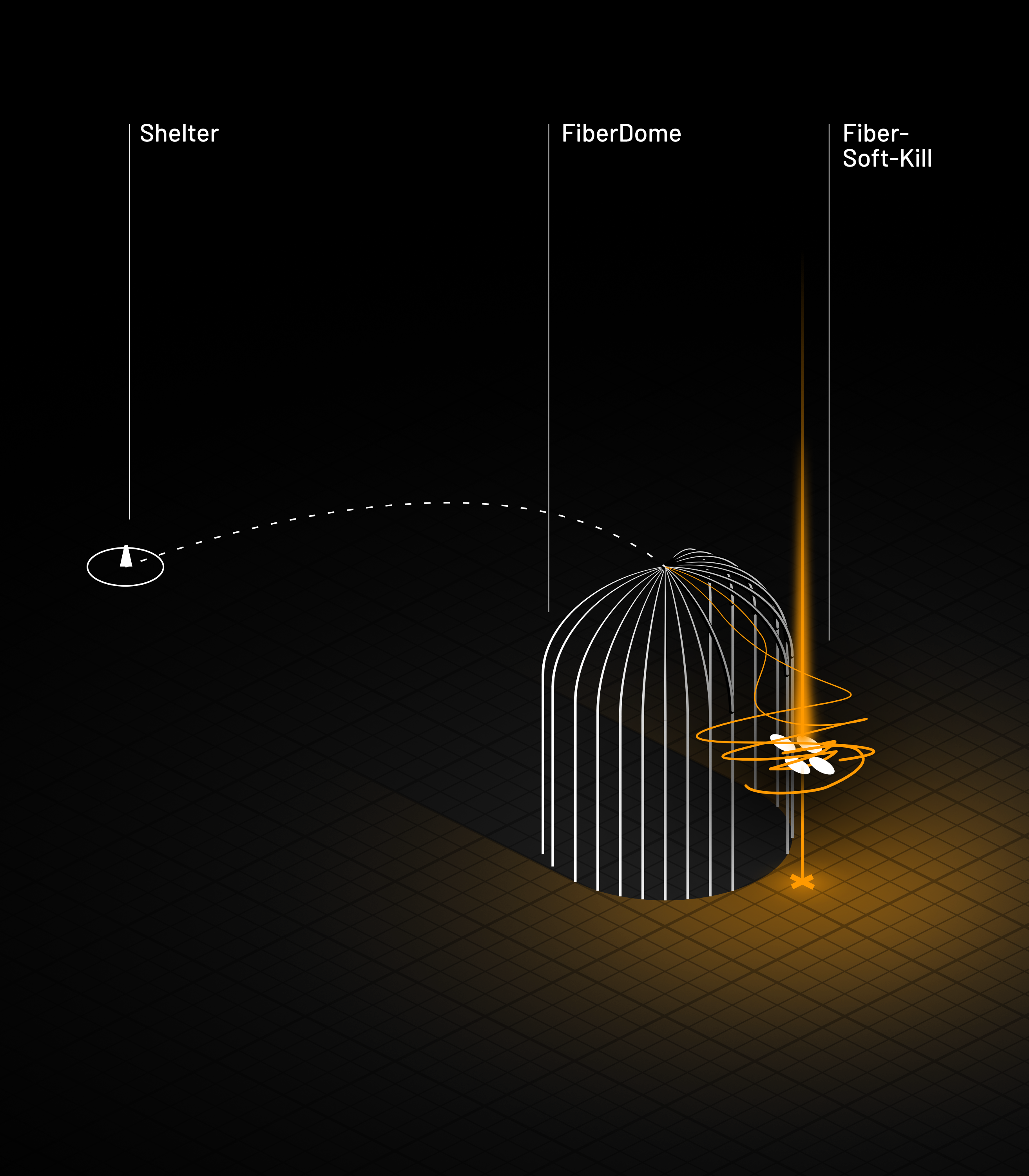
fiberdome
A new class of drone defence.
With our system fiberdome, we create temporary no-fly airspace in the lower atmosphere: - A launcher deploys ultra-lightweight fibers into the air, - the fibers slowly descend and entangle in a drone's rotors, - creating a new class: physical soft kill. The drone is disabled. We thus create a new class: physical soft kill. The drone fails. We have already built and field-validated this mechanism as a prototype — launchers, cartridges, fibers, and fiber soft kill are already at TRL 4. This fiber soft kill is called fiberdome and is suitable for national and alliance defence, as it poses no collateral background risk.
cyberdome
Blocking EM in the field without complex technology.
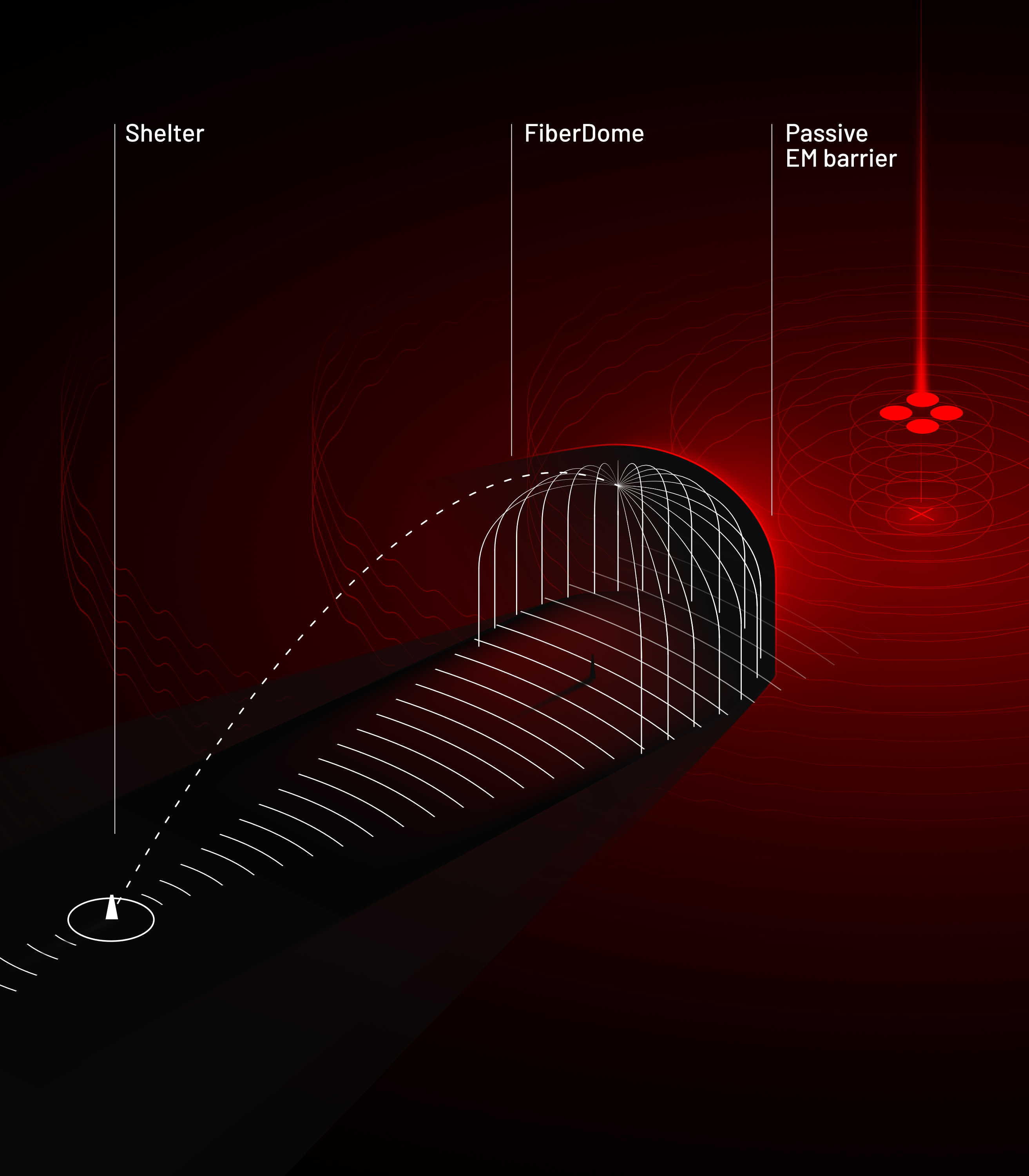
To establish a cost-effective temporary countermeasure against electromagnetic waves, we have further developed the fiberdome principle into cyberdome. - We combine the fibers with conductive, ultra-lightweight films into a fiber-film composite, - antennas and resistors are printed on the film using industrially scalable printed electronics processes, - these absorb hostile electromagnetic energy and convert it into heat.
The result is a temporary cyberdome: an air volume that - weakens jamming and spoofing on the way to your own UxS, - makes the channel more chaotic for the enemy, - and simultaneously serves as a soft-kill shield against small and FPV drones.
Design and mode of action of the cyberdome composite
- Conversion of EM into heat
- Extremely thin at 6 micrometers and conductive
- Fiber-Soft-Kill Implementation
Together with an industry partner, we designed the printed electronics shown here. The antennas can receive electromagnetic waves from 800 MHz to over 6 GHz. Resistive ink forms resistors that convert electromagnetic energy into heat. At 6 micrometers, this fiber is extremely thin — the fiberdome fiber means we have fiberdome AND cyberdome in a single product.
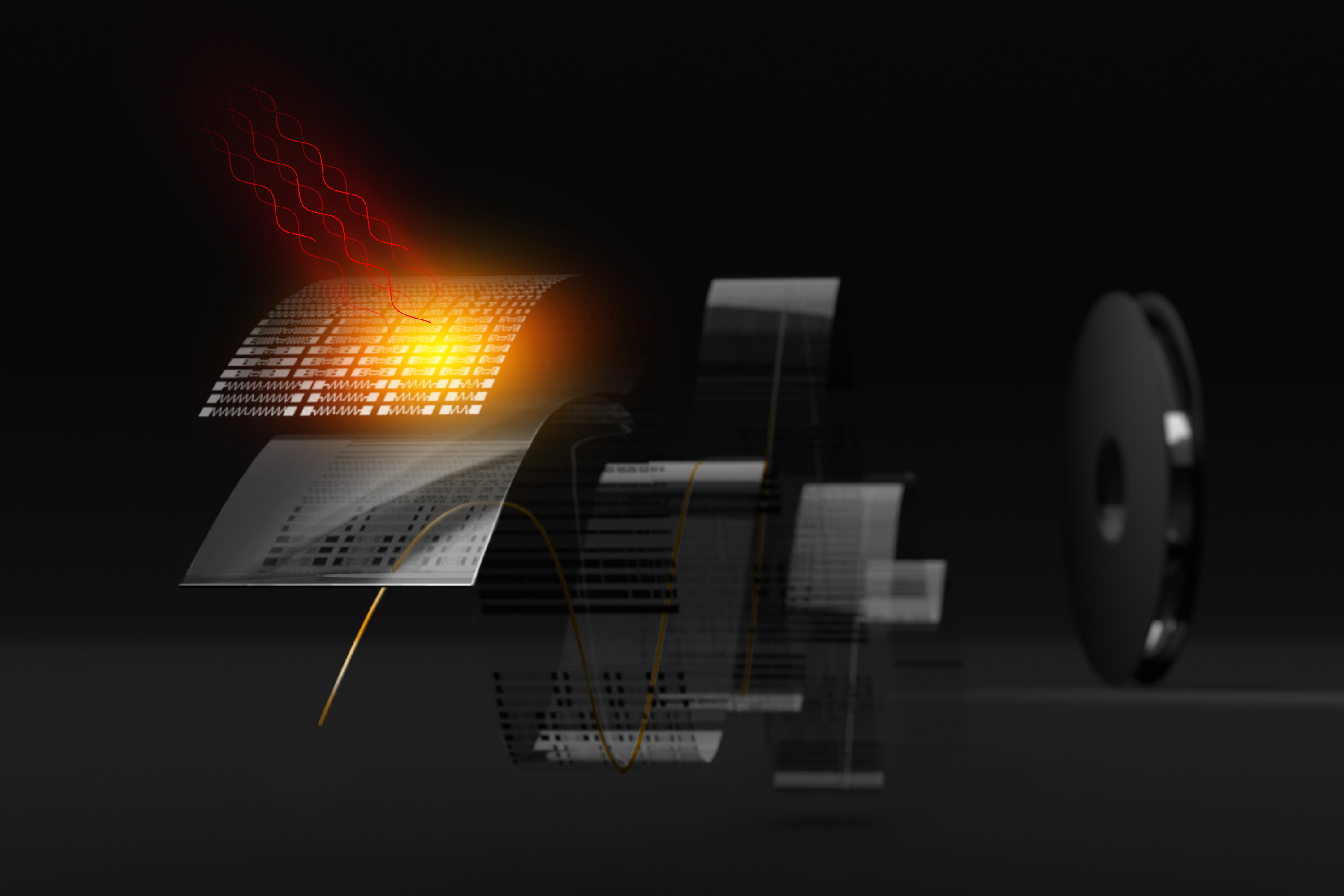
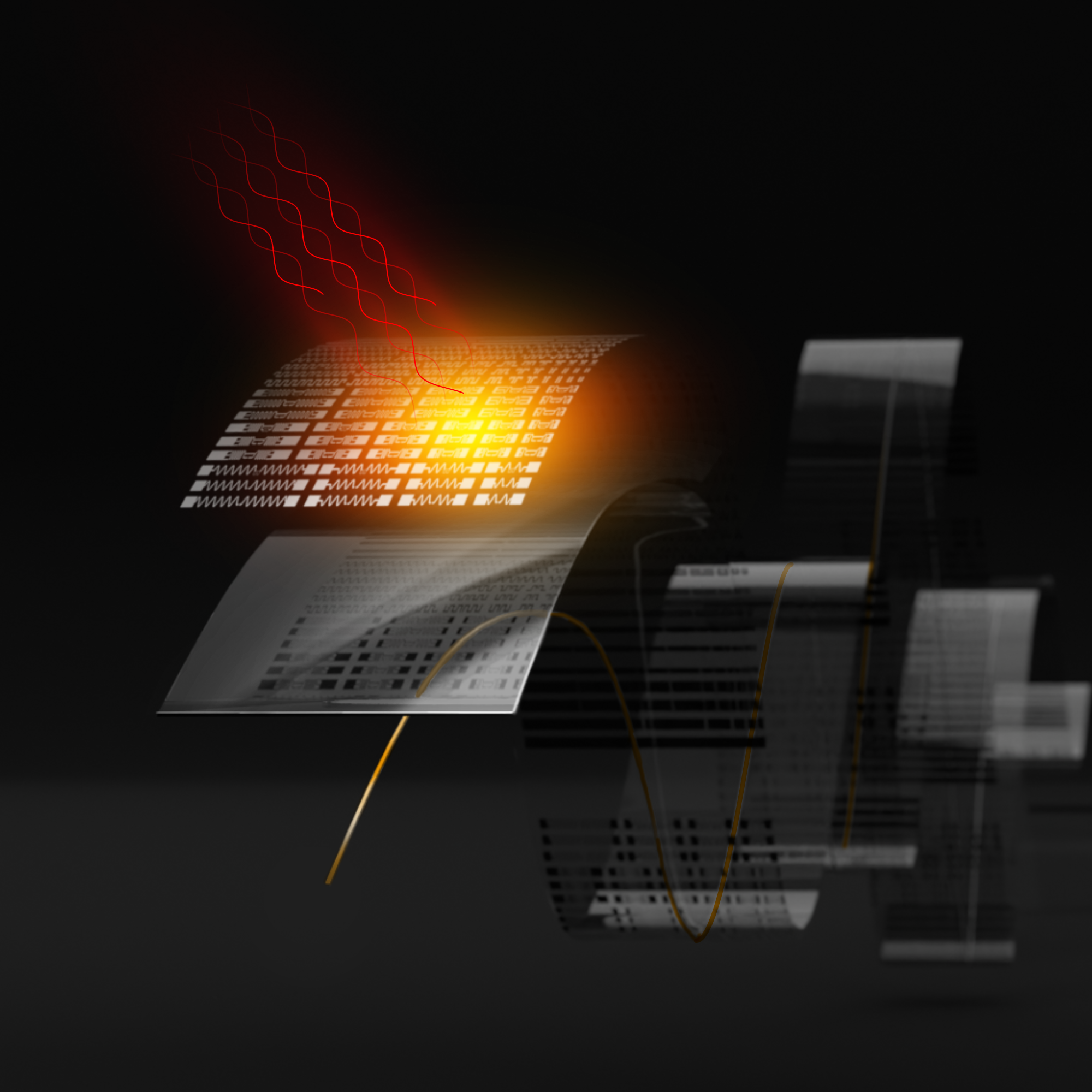
One cartridge with 1 km of fiber-film composite will generate a volume of 30 m height and 20 m diameter. Launchers will be able to deploy these cartridges at various locations: at close range, but also at greater distances. Using several launchers side by side, a mobile shielding wall against electromagnetic jamming can be established.
Physical & electromagnetic drone defense
Leadership capability of own UxS secured.
We create ad-hoc EM corridors or bubbles in which own drones and ground vehicles can maintain their C2 links and GNSS functions longer — despite hostile jamming and spoofing. An additional tool in the EloKa / UxS effect network, not a replacement for existing systems.

Escort protection for UxS convoys
Massive adversary drone deployment. J / S prevent communication and situational awareness. Creating RF walls and establishing a mobile EM corridor for reconnaissance and logistics.

Casualty evacuation in the field
Adversary drones prevent communication and pose a physical threat. Establishing a combined physical and electromagnetic shield around the evacuation situation.

Communication with the command center
The shelter is cut off from the command center by hostile jamming. Establishing a channel window to transmit reports and situation updates.
Civil application
Safety and operational flexibility guaranteed.
No own EM emissions, therefore no new beacon in the spectrum — EM-silent, compatible with EMCON. Non-kinetic, no collateral background risk — therefore also relevant for homeland security and protection of critical infrastructure.
No collateral background risk, as non-kinetic.
Scalable to industrial scale.


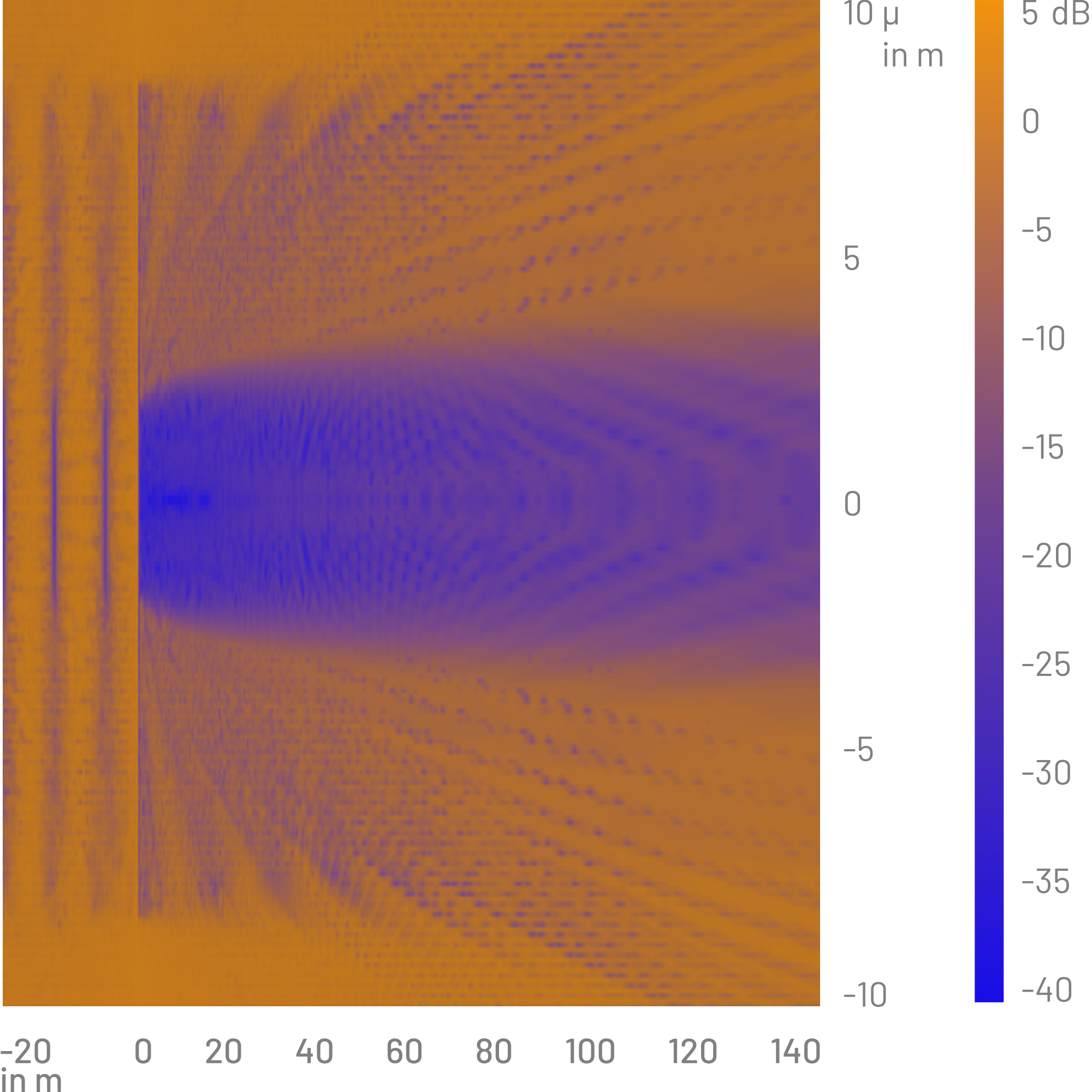
Attenuation simulations with the RF Engineering department of Technical University Munich
To dimension the printed electronics, we conducted simulations with TU Munich's RF Engineering department, showing attenuation of up to 60 dB in the near-field of the cyberdome and approximately 20 dB at 100 m distance. For all non-electrical engineers: 20 dB corresponds to a signal reduction of 99%.

Cost-effective drone defence made possible.
Same system, same cartridge: Physical soft kill against FPV and small multirotors — without fragmentation, without explosives, scalable from dismounted squad to vehicle platoon. Using a standardized roll-to-roll process, we can produce more than 10 m of fiber-film composite per second.
Live demo of one of the first prototypes
Although we currently only have civilian pyrotechnics available, we have accompanied every development step of our launcher classes with live tests.
Live Test of the Fiber Soft-Kill
One of the first tests of the fiberdome principle regarding dwell time in the air. To better visualize the principle, plastic films were added to the fibers for the video.
Fiber soft-kill simulation by TUM under laboratory conditions
In close collaboration with the RF Engineering team at TU Munich, we conducted comprehensive tests on the suitability of our fiber as a physical, non-kinetic drone countermeasure, and directly incorporated the findings into the further development of our systems.
We have already developed two launcher classes for physical drone defence, with a third planned. Do you have questions or are you interested in a live demo? Let's get connected.